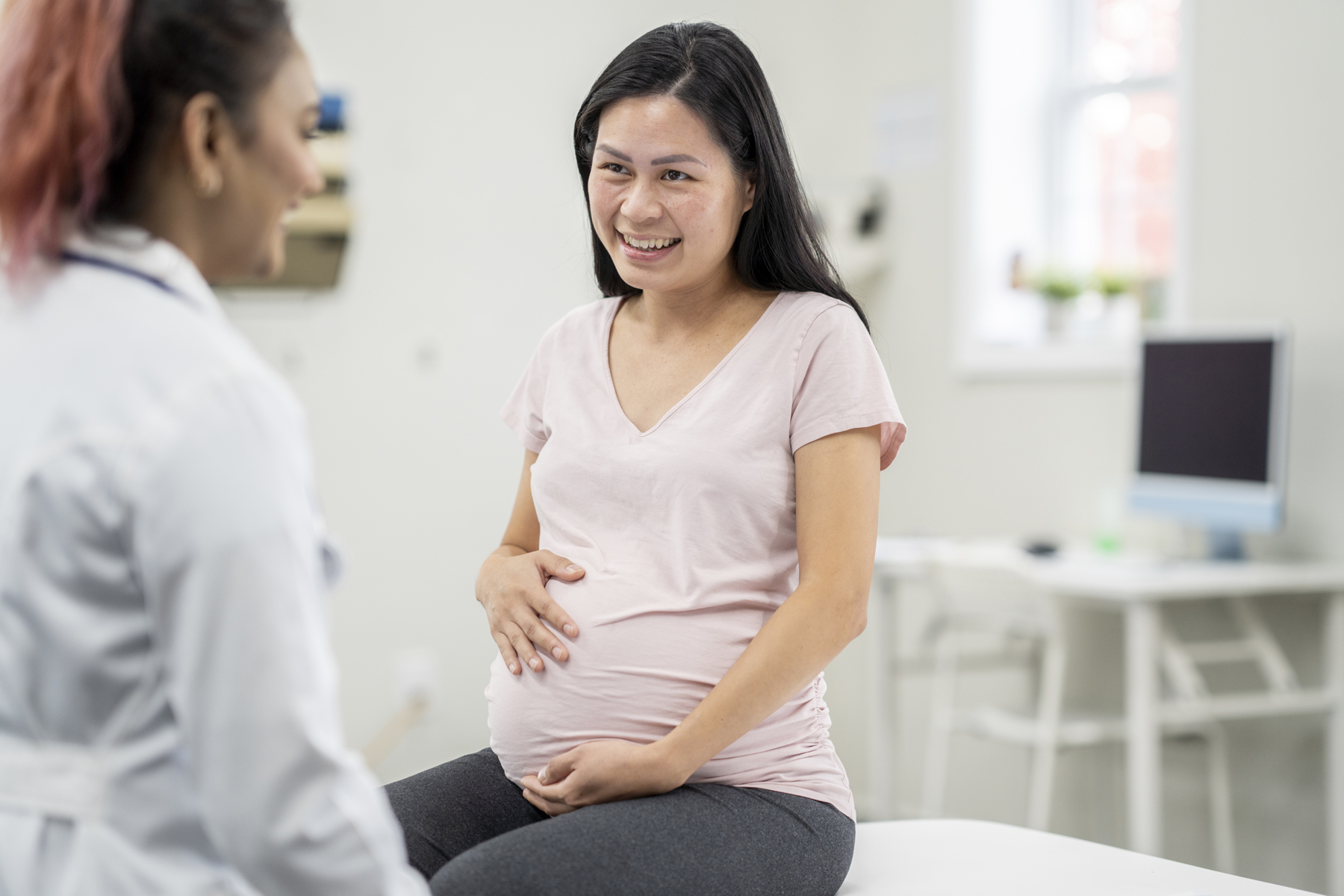
The percentage of U.S. women receiving prenatal care in their first trimester of pregnancy has decreased since 2021, according to a recent study published by the Centers for Disease Control. Notably, less than 50 percent of Native Hawaiian and other Pacific Islander mothers received prenatal care in the first trimester.
Utah is one of the 36 states that showed a significant increase in the percentage of women who received late or no prenatal care. Utah’s rate jumped from 3.4 percent in 2021 to 5.7 percent in 2024.
There is clinical evidence from multiple medical research studies that show moms who are late in receiving prenatal care or don’t receive prenatal care at all are at a higher risk for complications with their pregnancy or with their baby.
“If you’re thinking about getting pregnant or are newly pregnant, seeing your OB provider or midwife before you get pregnant and scheduling a prenatal visit as early as you know you’re pregnant, can help improve your odds for a healthy baby, healthy pregnancy, and safe delivery,” said Martie Nightingale, a certified nurse midwife and nurse practitioner in women’s health at Intermountain Health based in the Salt Lake City area.
Going early and consistently to prenatal care visits gives you the best chance for a healthy pregnancy and healthy baby
“For OB providers and midwives, the over-arching goal of pre-pregnancy care is to reduce the risk of health complications for the mother, her unborn baby, and her newborn. This is done by working together with each mom to optimize her health and address modifiable risk factors during pregnancy and provide education about how to improve their chances for a healthy pregnancy,” said Nightingale.
Many chronic medical conditions such as high blood pressure, diabetes, behavioral health conditions, and thyroid disease have implications for pregnancy outcomes, and it’s recommended they be addressed and managed before pregnancy.
According to women and newborn experts, pre-pregnancy and prenatal care include several recommended screenings to identify medical or behavioral health conditions in early stages. It also includes information on recommended immunizations to protect both mom and baby from infectious diseases.
Pregnant women and young babies are both more vulnerable to disease than the general population. During pregnancy there are changes to the body’s immune system that make a person more susceptible to disease. Young babies have immune systems that are not fully developed. That’s why women and newborn experts say immunizations are so important for moms and babies.
“Healthy lifestyle choices can make a big difference in your health, your pregnancy and your baby’s health. As a women’s health provider who is certified in lifestyle medicine, I help my patients understand what a difference some simple lifestyle changes can make,” said Nightingale.
Nightingale shares seven healthy lifestyle pillars that will increase your chances for a healthy pregnancy.
Seven Healthy Lifestyle Behaviors to Focus on Before and During Pregnancy
- Nutrition: Eat a diet rich in whole grains, fresh vegetables, and fresh fruits which are high in fiber. Choose lean protein sources. Avoid processed meats and high-mercury fish.
- Take a folic acid supplement of at least 400 micrograms at least 30 days before attempting pregnancy.
- Sleep: Get 7-9 hours of sleep per night. Discuss sleep problems with your provider.
- Emotional wellness: minimize stress and complete a behavioral health screening for conditions such as anxiety and depression.
- Exercise: Find a type of exercise you like and can stick with. Aim for a total of 150 minutes of moderate physical activity each week. Be sure to include some muscle strengthening activities at least two days per week.
- Avoid risky substances: including alcohol, nicotine, illegal drugs, marijuana, and prescription opioids. Tell your provider about any prescriptions or over-the-counter medications you’re taking. Avoid environmental toxins.
- Relationships and social connectedness: build and maintain a social support system and complete a domestic violence screening.
“There are risks to your health or your baby’s health if you’re overweight, obese, or underweight during pregnancy. Aim for a healthy body mass index between about 19-25,” said Nightingale.
Maintain a healthy weight before, during and after pregnancy.
Excess weight during pregnancy is associated with several pregnancy and childbirth complications, including:
- High blood pressure
- Preeclampsia
- Preterm birth
- Gestational diabetes
Obesity in pregnancy is associated with increased risk of:
- Having a baby with a high birth weight
- Birth injury
- Cesarean birth
- Birth defects, especially neural tube defects
Risks of being underweight during pregnancy
- Increases the risk of having a low-birth-weight infant and preterm birth
- Low-birth-weight babies are at risk of problems during labor and after birth.
Most health insurance plans typically cover prenatal visits as part of essential or preventive care. Because coverage can vary, it’s a good idea to check with your specific health plan so they can confirm what is covered.
For more information about prenatal care or to find an OB or midwife visit the pregnancy and baby page at intermountain health.org
About Intermountain Health
Headquartered in Utah with locations in six states and additional operations across the western U.S., Intermountain Health is a nonprofit system of 34 hospitals, approximately 400 clinics, medical groups with some 4,600 employed physicians and advanced care providers, a nonprofit health plan called Select Health with more than one million members, and other health services. Helping people live the healthiest lives possible, Intermountain is committed to improving community health and is widely recognized as a leader in transforming healthcare by using evidence-based best practices to consistently deliver high-quality outcomes at sustainable costs. For up-to-date information and announcements, please see the Intermountain Health newsroom at https://news.intermountainhealth.org/. For more information, see intermountainhealth.org/ or call 801-442-2000.