Carbon monoxide poisoning is a silent killer. The Centers for Disease Control and Prevention report that over 400 Americans lose their lives to accidental carbon monoxide poisoning each year. Approximately 50,000 people in the U.S. visit the emergency department each year due to accidental CO poisoning.
As temperatures drop and winter storms lead to power outages, emergency responders often witness a troubling rise in carbon monoxide-related illnesses and fatalities. This surge is primarily due to individuals using outdoor appliances, such as generators and grills, indoors to stay warm.
There are three things that make carbon monoxide extremely dangerous:
1) The molecules of carbon monoxide are so small, they can easily travel through drywall.
2) Carbon monoxide doesn’t sink or rise – it mixes easily with the air inside a home.
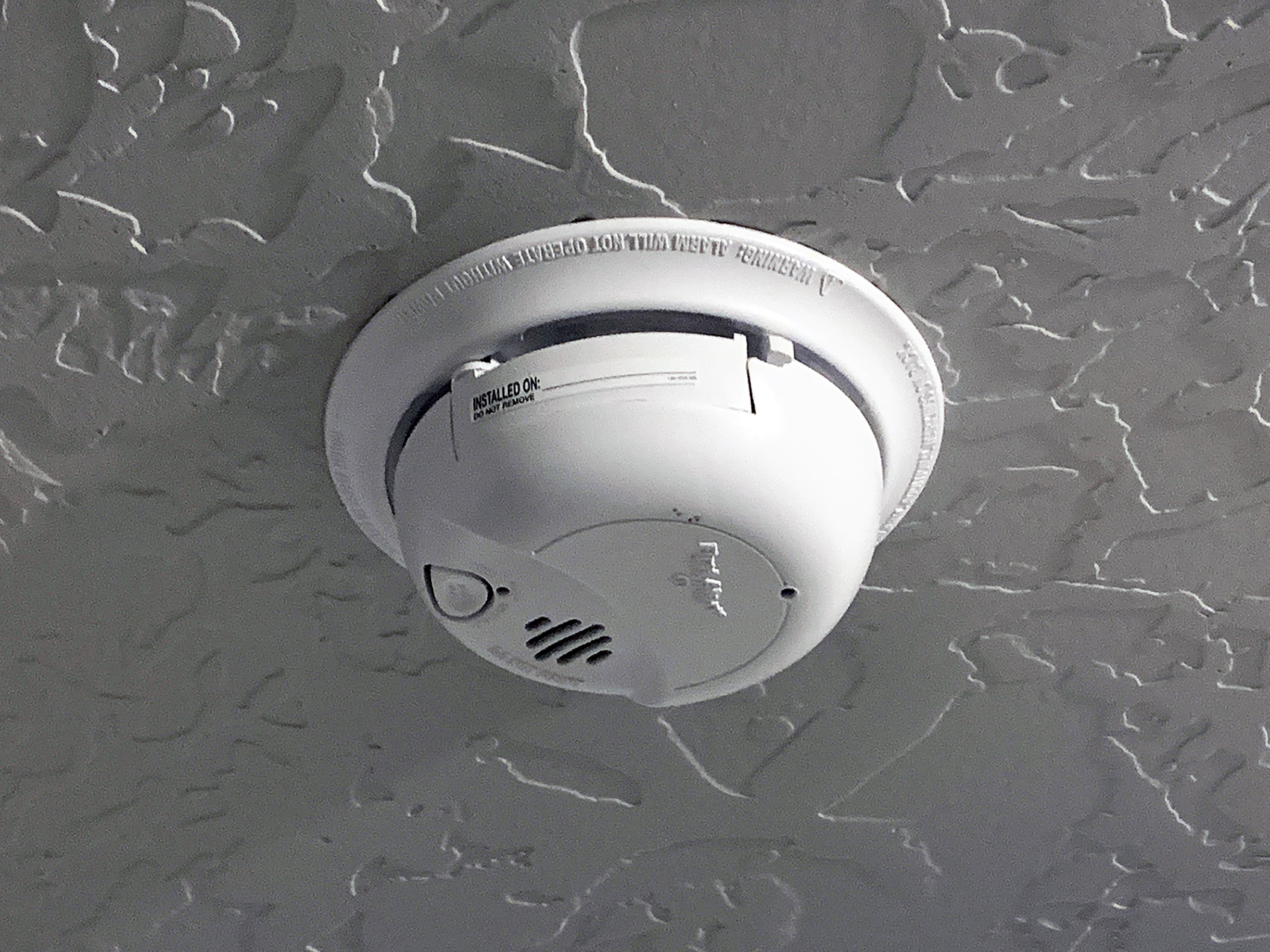
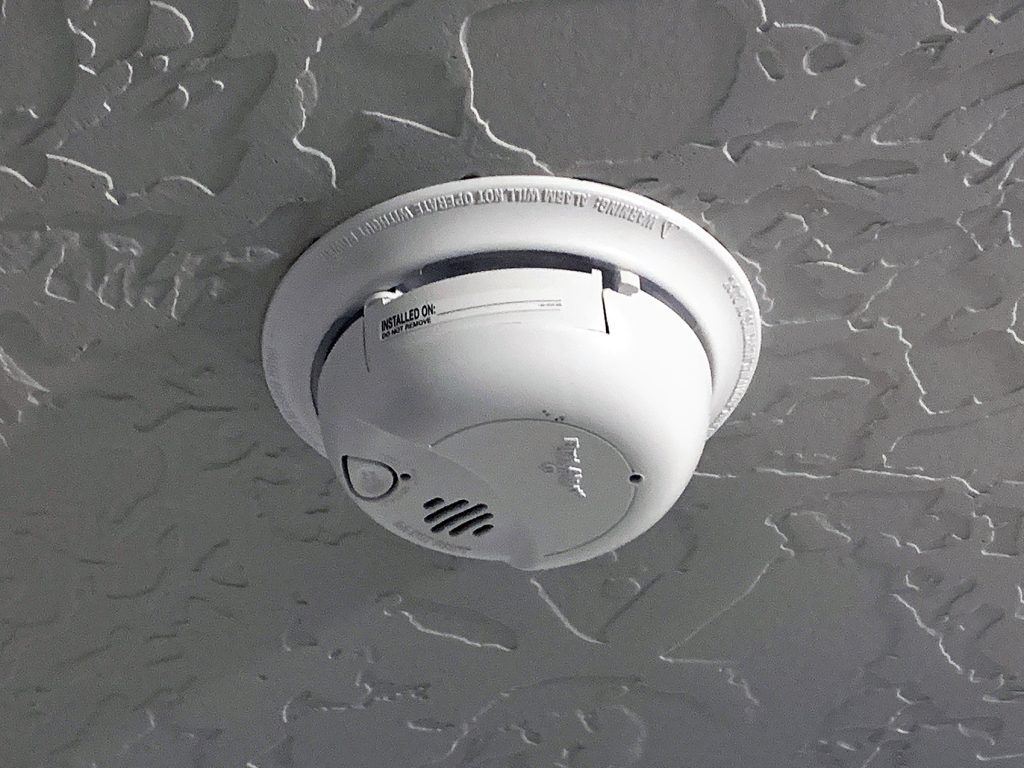
3) It is an odorless gas, so without an alarm to notify you that it is in your home or place of work, you likely wouldn’t notice until it was too late.
These three traits combined is what gives carbon monoxide the title of, “The Silent Killer.” In high enough concentrations it can kill within minutes and claims hundreds of lives each year.
CO is often produced from a faulty furnace or other heating sources inside the home, workplaces, schools and while camping in tents or trailers. Exposures to CO also comes from automobile exhaust, small gas engines such as generators and concrete cutting saws, and other fuel-operated machines being used in poorly ventilated spaces.
“As temperatures drop and people turn on their heaters, or look for alternative heating sources, they need to also remember to protect themselves and their families from this deadly gas,” said Michael Johnson, DO, medical director for wound care and hyperbaric specialist at Intermountain Health McKay-Dee Hospital in Ogden, Utah.
Nausea, tiredness, aches, and pains are just some of the symptoms of carbon monoxide poisoning, which are very similar to the flu.
“If you suspect you have been exposed to high levels of carbon monoxide you should leave immediately and seek help,” said Dr. Johnson.
Treating Carbon Monoxide Poisoning
At Intermountain Health’s hyperbaric medicine department, carbon monoxide-poisoned patients are treated with hyperbaric oxygen delivered by breathing pure oxygen while inside a pressurized hyperbaric chamber, to reduce the chance of permanent brain damage.
Although treatment for carbon monoxide poisoning reduces the risk of possible permanent brain or cardiac injury, disability can still occur.
“It’s vital that people take the necessary precautions to prevent and avoid carbon monoxide exposure, as it’s the best way to keep everyone safe,” said Dr. Johnson. “It can’t be seen, can’t be smelled, can’t be heard – but it can be stopped.”
There are several steps you can take to reduce your risk of exposure. Here are some tips from Intermountain Health:
1. Schedule an annual check-up for your furnace and hot water heater. It’s important to have all gas-fired furnaces and hot water heaters checked by heating and air conditioning (HVAC) professionals annually. Furnaces can crack and exhaust vents can become obstructed.
2. Every home and business should have a battery-operated or battery back-up carbon monoxide alarm and monitor. Check or replace the detector’s battery when you change the time on your clocks each spring and fall. Place your detector where it will wake you up if it alarms, such as outside bedrooms.
3. All homeowners should replace their carbon monoxide alarm every five years.
4. Be aware of symptoms. Carbon monoxide poisoning can be lethal, sometimes with no advance sign of trouble. This is especially true when people are exposed during their sleep and are unaware or unable to call for help. The most common symptoms of CO poisoning are headaches, dizziness, upset stomach, confusion, vomiting, and chest pains.
5. Check any chimney flues for blockage.
6. Don’t keep cars running in enclosed spaces, such as garages.
If a detector sounds, leave your home immediately, call 9-1-1 and seek prompt medical help if you suspect CO poisoning.
For more information, go to https://intermountainhealthcare.org/services/wound-care/hyperbaric-medicine/.
About Intermountain Health
Headquartered in Utah with locations in six states and additional operations across the western U.S., Intermountain Health is a nonprofit system of 34 hospitals, approximately 400 clinics, medical groups with some 4,600 employed physicians and advanced care providers, a nonprofit health plan called Select Health with more than one million members, and other health services. Helping people live the healthiest lives possible, Intermountain is committed to improving community health and is widely recognized as a leader in transforming healthcare by using evidence-based best practices to consistently deliver high-quality outcomes at sustainable costs. For up-to-date information and announcements, please see the Intermountain Health newsroom at https://news.intermountainhealth.org/. For more information, see intermountainhealth.org/ or call 801-442-2000.