Intermountain Health Effort Helps Colorado, Montana, Utah Lead in RSV Protection for Babies
Industry: Healthcare
Colorado, Montana, and Utah Among Nation’s Top States in RSV Protection for Babies Following Intermountain Health Awareness Effort
Salt Lake City, UT (PRUnderground) January 14th, 2026

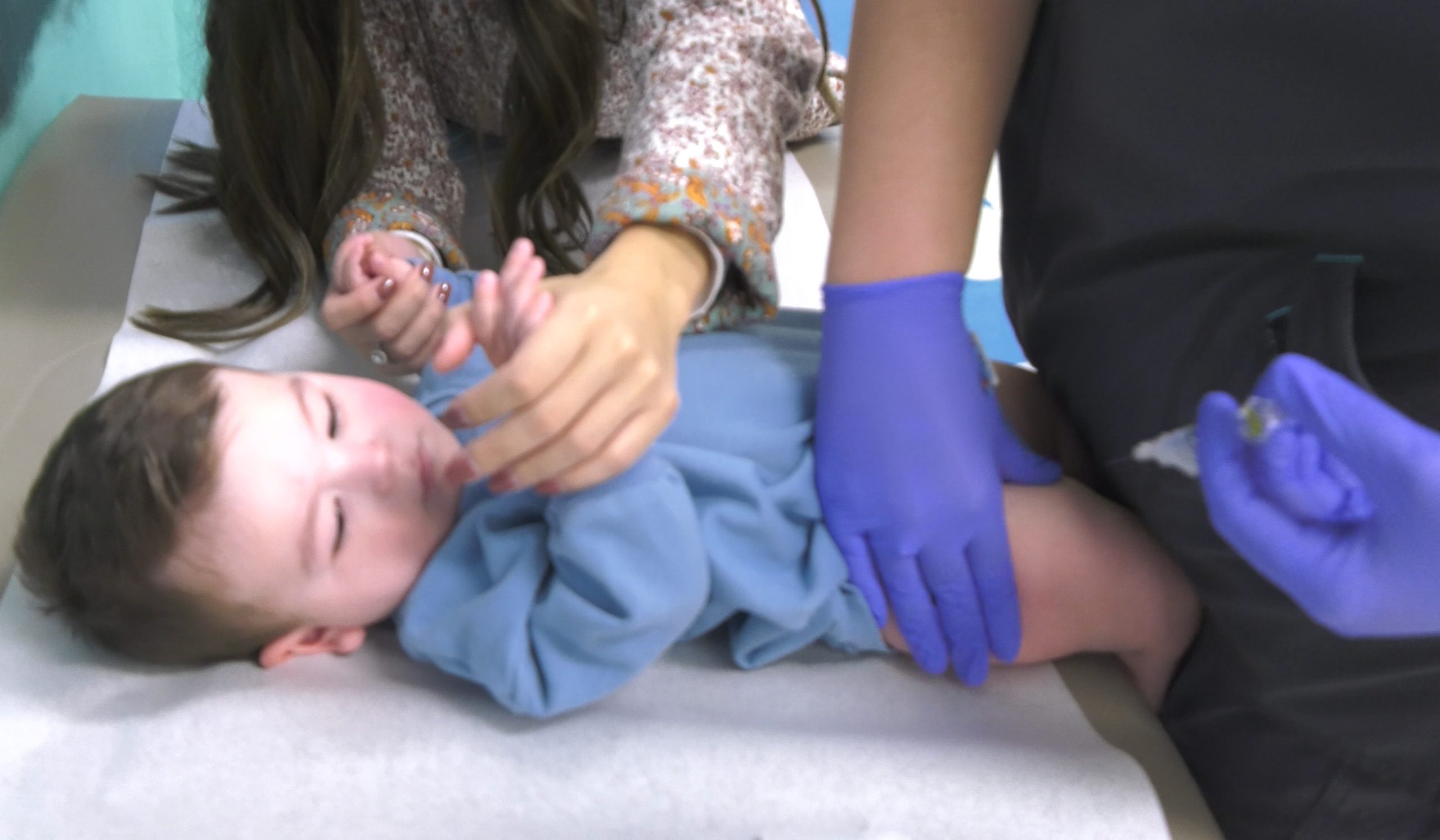
Colorado, Montana and Utah are ranked in the nation’s top six states for protecting children against Respiratory Syncytial Virus (RSV). This achievement follows Intermountain Health’s intensive efforts to educate expectant mothers and parents of newborns about how RSV protection can prevent serious illness, hospitalization, and even death in a baby’s first year of life.
When protected mothers who pass antibodies to their newborns are included in those numbers, Utah is ranked No. 1 in the country for protecting children against RSV, according to a Centers for Disease Control summary of the 2024-25 RSV season.
Additionally, Utah babies with RSV protection, either from antibodies passed from their moms at birth or from an RSV immunization, were nine times less likely to be hospitalized, and five times less likely to need intensive care to help them breathe if they were hospitalized, than babies without RSV protection, Intermountain Children’s Health experts have found.
RSV is a highly contagious virus that causes bronchiolitis, a lung infection that can result in severe illness in infants. Every year in the United States, RSV is linked to thousands of hospitalizations, hundreds of deaths, and millions of clinic visits in children under the age of 5.
“The ability to keep babies well and out of the hospital with a single shot is a game-changer,” said Carolyn Reynolds, executive director of the Intermountain Children’s Health-Ambulatory Clinical Program. “Having an infant with RSV is very stressful for parents, especially when the child requires hospitalization or ventilation to help them breathe. RSV protection is something that can really improve lives for infants and families and save health care costs.”
RSV season typically begins every fall and continues through early spring. Vaccines to help prevent serious and potentially life-threatening RSV were unveiled in 2023, and became more readily available to expectant mothers and infants beginning in the 2024-2025 RSV season.
Expectant moms in their third trimester of pregnancy (between 32-36 weeks gestation) can get the maternal RSV protection Abrysvo, and pass the antibodies to their babies to help protect them during their first few vulnerable months of life.
Infants whose moms didn’t receive the shot during pregnancy, as well as those born outside of RSV season (between April and September), can receive the RSV protection in the form of Nirsevimab monoclonal antibodies at the start of every October.
Because many parents didn’t know about the new RSV protection in 2024, Intermountain Health worked with its network of providers and affiliates including pediatricians, obstetricians, and mom-and-baby care providers in Utah, Colorado, and Montana to raise awareness.
Before the 2024-2025 RSV season began, pediatricians’ offices called families whose babies were born between April 1 and Sept. 30, and whose moms didn’t get vaccinated, and offered to make appointments for them to get the shots.
RSV vaccine was offered before newborns went home from the hospital and at well child checkups. Intermountain Health also provided funding to help expand access to RSV protection in local clinics.
Following those efforts, Utah, Colorado, and Montana – all of which are within the Intermountain Health system of care – are ranked in the nation’s top six states for protecting children against RSV, according to a Centers for Disease Control summary of the 2024-25 RSV season. When protected mothers who pass antibodies to their newborns are included in those numbers, Utah is ranked No. 1.
Additionally, Intermountain Children’s Health gathered data about how RSV protection affected its Utah infant patients and young children in the 2024-2025 RSV season. It found:
- 16,000 Utah Intermountain infant patients and about 20 percent of expectant mothers received RSV protection.
- Just 1 in 400 babies with RSV protection were hospitalized. By comparison, 1 in 48 babies without RSV protection were hospitalized.
- Of those hospitalized, fewer than 1 in 1,000 protected babies needed intensive care to help them breathe, compared to 1 in 200 unprotected babies.
- So far this RSV season, twice as many expectant mothers – 40 percent – have opted for RSV protection.
Intermountain Children’s Health is gathering data on RSV protection for its patients in Colorado, Montana, and Utah during the current respiratory season. Reynolds believes results will be similar.
“Families are seeing that this is something that can really boost health for infants, relieve hospitals from overcrowding, and reduce costs for everyone,” Reynolds said. “The data we collected shows that we made a huge difference.”
NOTE TO MEDIA: Images and video available upon request.
About Intermountain Health
Headquartered in Utah with locations in six states and additional operations across the western U.S., Intermountain Health is a nonprofit system of 34 hospitals, approximately 400 clinics, medical groups with some 4,600 employed physicians and advanced care providers, a nonprofit health plan called Select Health with more than one million members, and other health services. Helping people live the healthiest lives possible, Intermountain is committed to improving community health and is widely recognized as a leader in transforming healthcare by using evidence-based best practices to consistently deliver high-quality outcomes at sustainable costs. For up-to-date information and announcements, please see the Intermountain Health newsroom at https://news.intermountainhealth.org/. For more information, see intermountainhealth.org/ or call 801-442-2000.