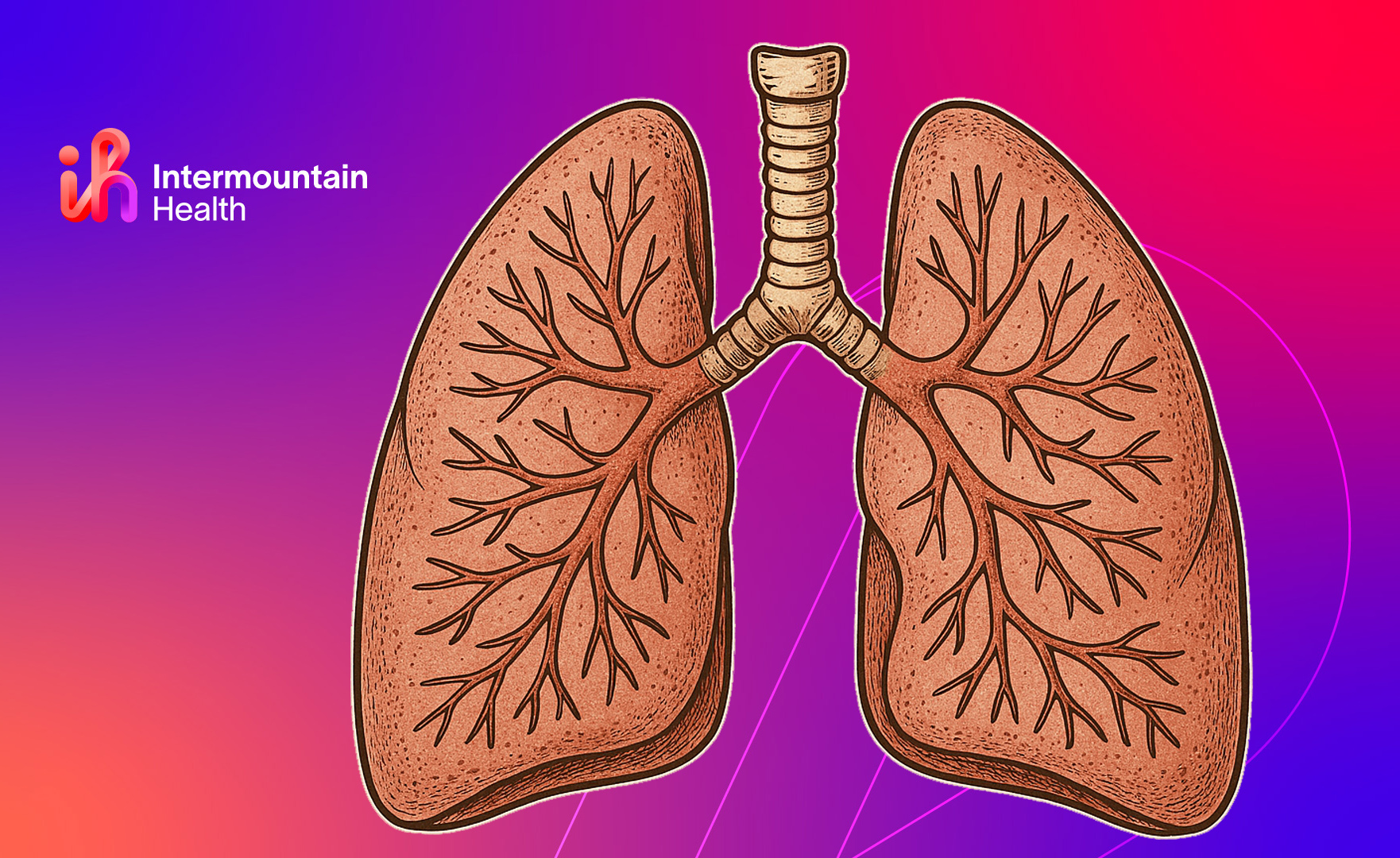
Intermountain Health Shares Importance of Lung Cancer Prevention, Detection, and Treatment
Industry: Healthcare
November may be over, but Intermountain Health still highlighting Lung Cancer Awareness through discussion of prevention, early detection, and leading-edge treatment
Salt Lake City, UT (PRUnderground) December 1st, 2025

Lung Cancer awareness continues to be an important topic as it is the leading cause of cancer death among both men and women in the United States. Intermountain Health is continuing to urge the community to understand their risks, take proactive steps toward prevention, and highlight its role as a leading center for comprehensive, multidisciplinary lung cancer treatment.
Lung cancer, which accounts for about one in five of all cancer deaths, is often diagnosed at an advanced stage when it is much harder to treat. However, advancements in screening and treatment are continuously improving survival rates, underscoring the vital importance of awareness and early detection.
Know Your Risk and Reduce Your Chances
While smoking is the primary cause of lung cancer, responsible for up to 90% of cases, non-smokers can also develop the disease. Intermountain specialists emphasize that reducing risk often involves simple, yet lifesaving, lifestyle changes, and preventive measures:
- Quit Smoking and Avoid Secondhand Smoke: The single most effective way to reduce risk is to never start smoking, or to quit immediately. Even people who quit years ago significantly lower their risk compared to those who continue to smoke. Intermountain offers comprehensive smoking cessation programs and support resources.
- Test Your Home for Radon: Radon is an odorless, invisible, naturally occurring radioactive gas that is the second leading cause of lung cancer. Simple, inexpensive home testing kits can identify high levels, and mitigation systems are easily installed.
- Minimize Workplace and Environmental Exposure: Be aware of and protect yourself from carcinogens like asbestos, arsenic, and certain chemicals in your workplace. Reducing exposure to air pollution can also contribute to better lung health.
- Get Screened if You’re High-Risk: Early detection through a Low-Dose CT (LDCT) scan can reduce mortality by up to 20% for eligible individuals. The U.S. Preventive Services Task Force recommends annual screening for adults aged 50–80 who have a 20-pack-year smoking history and currently smoke or have quit within the past 15 years. Talk to your primary care provider about eligibility.
Intermountain: A Leading Center for Lung Cancer Care
Intermountain Health is at the forefront of the fight against lung cancer, offering a patient-centered, multidisciplinary approach that combines leading specialists, innovative technology, and innovative research.
“Our commitment at Intermountain is to provide personalized and highly effective care for every patient facing a lung cancer diagnosis,” Timothy LeClair, MD, an Intermountain Health interventional pulmonary specialist who specialize in lung cancer treatment at Intermountain Medical Center in Murray. “We understand that this is a complex journey, which is why our teams collaborate across specialties – from thoracic surgery and medical oncology to interventional pulmonology and supportive care – to deliver the most advanced treatments and the best possible outcomes.”
Key Features of Intermountain’s Health’s Lung Cancer Program:
- Advanced Early Detection: Utilizing low-dose CT screening and state-of-the-art diagnostic tools like robotic-assisted bronchoscopy for safer, more precise lung biopsies.
- Multidisciplinary Expertise: A team of thoracic surgeons, medical and radiation oncologists, pulmonologists, and pathologists who meet regularly in tumor boards to create tailored treatment plans for each patient.
- Innovative Treatment Options: Providing the latest therapies, including minimally invasive surgery, targeted therapy based on molecular/biomarker testing, immunotherapy, and access to Phase 1 clinical trials for novel treatments.
- Comprehensive Support: Offering navigation services, supportive oncology, palliative care, and survivorship programs to support the whole person throughout their treatment and recovery.
This November, Intermountain Health encourages everyone to take a moment to learn about lung cancer and discuss their risk factors with their healthcare provider. Awareness and early action are the best defenses in the fight against this disease.
To learn more about lung cancer services, screenings, and treatment options at Intermountain Health, go to https://intermountainhealthcare.org/services/cancer-care/lung-cancer/lung-cancer-screening or call 801-507-3964.
About Intermountain Health
Headquartered in Utah with locations in six states and additional operations across the western U.S., Intermountain Health is a nonprofit system of 34 hospitals, approximately 400 clinics, medical groups with some 4,600 employed physicians and advanced care providers, a nonprofit health plan called Select Health with more than one million members, and other health services. Helping people live the healthiest lives possible, Intermountain is committed to improving community health and is widely recognized as a leader in transforming healthcare by using evidence-based best practices to consistently deliver high-quality outcomes at sustainable costs. For up-to-date information and announcements, please see the Intermountain Health newsroom at https://news.intermountainhealth.org/. For more information, see intermountainhealth.org/ or call 801-442-2000.