Intermountain Health Primary Children’s Hospital Pediatric Trauma Telehealth Service Saves Lives
Industry: Healthcare
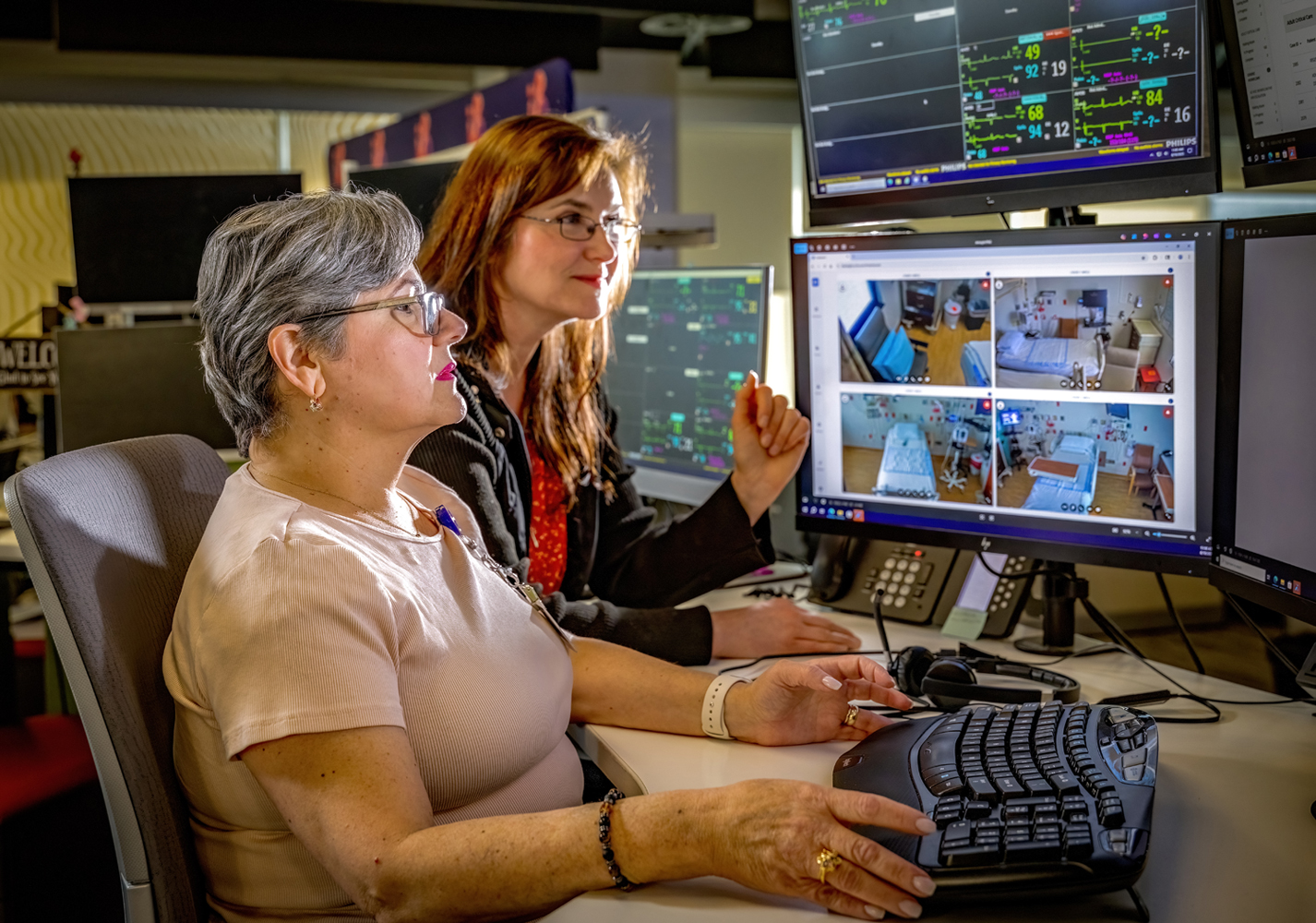
Trauma telehealth from Intermountain Health Primary Children’s Hospital brings expert pediatric trauma care directly to the bedside, no matter where a child is.
Salt Lake City, UT (PRUnderground) February 11th, 2026
When a child is seriously injured, every second matters.
For families, those moments are filled with fear, uncertainty, and urgent decisions.
For caregivers and clinicians in emergency departments – especially in rural or community hospitals – it can mean caring for an injured child without immediate access to pediatric trauma specialists.
That’s where pediatric trauma telehealth services from Intermountain Health Primary Children’s Hospital comes in – bringing expert pediatric trauma care directly to the bedside, no matter where a child is.
“It’s real-time access to pediatric trauma experts through secure phone or video technology,” said Jessica Madsen, APRN, an advanced practice provider lead for surgery and trauma services at Intermountain Health Primary Children’s Hospital Miller Campus in Lehi. “For families, this means their child is being evaluated by pediatric trauma experts right away, even if they’re hundreds of miles away from Salt Lake City.”
How it works
When a child arrives at a local emergency department after a traumatic injury, such as a car crash, fall, or sports injury, the local medical team begins immediate treatment, just as they always do.
“If they want pediatric trauma expertise, they can activate Intermountain Primary Children’s trauma telehealth service,” said Madsen. “Within 15 minutes of that call, a pediatric trauma expert from Intermountain Primary Children’s Hospital is speaking with the local care team to answer any questions or provide assistance.”
Pediatric experts advise that team as to what they may be seeing, along with reviewing vital signs, imaging, and labs results from the patient – and providing real-time guidance on next steps.
“The local providers remain in charge of the patient’s care, but now they’re supported by pediatric trauma experts from Intermountain Primary Children’s Hospital,” said Madsen.
One of the most important things that families and medical providers should know is who is on the other end of the line on those calls, says Madsen.
“Trauma telehealth services at Intermountain Primary Children’s Hospital are staffed by highly experienced pediatric trauma and advanced practice providers,” Madsen noted. “Each call is overseen by a board-certified pediatric trauma surgeon. These are the same providers who care for the most critically injured children at Intermountain Primary Children’s Hospital – the regions only Level I Pediatric Trauma I hospital.”
“They understand that children are not just ‘small adults’”, said Madsen. “Their injuries, anatomy, physiology, and emotional needs are different – and require specialized expertise.”
Another key point: the trauma telehealth service is not currently billed. It exists to support care – not to create additional cost or barriers. For providers, this means they can call for help without worrying about billing complications.
For families, it means expert input without added financial burden.
Intermountain Primary Children’s Hospital provides this service to:
- Strengthen pediatric trauma care across the region
- Support community and rural hospitals
- And, ensure children receive the right care, in the right place, at the right time
One of the biggest benefits of pediatric trauma telehealth is preventing unnecessary transfers.
“Traditionally, when a child is injured and there’s uncertainty, the safest option may seem to be transferring them to a pediatric trauma center – often by ambulance or helicopter,” said Madsen. “Using this technology, we can now know that not every child needs to transfer.”
“With trauma telehealth we can review imaging together and have a pediatric radiologist review the imaging,” she added. “We can then help determine whether the child can safely stay at the local hospital or potentially discharge home.”
When a transfer isn’t necessary:
- Children can stay closer to home
- Families avoid long travel and separation
- Parents can remain with their other children
- And children can receive expert care locally
“This reduces stress, disruption, and emotional strain during an already frightening experience,” said Madsen. “Sometimes it’s still necessary to transfer, but we can see and evaluate the child real time to ensure they receive best care possible.
About Intermountain Health
Headquartered in Utah with locations in six states and additional operations across the western U.S., Intermountain Health is a nonprofit system of 34 hospitals, approximately 400 clinics, medical groups with some 4,600 employed physicians and advanced care providers, a nonprofit health plan called Select Health with more than one million members, and other health services. Helping people live the healthiest lives possible, Intermountain is committed to improving community health and is widely recognized as a leader in transforming healthcare by using evidence-based best practices to consistently deliver high-quality outcomes at sustainable costs. For up-to-date information and announcements, please see the Intermountain Health newsroom at https://news.intermountainhealth.org/. For more information, see intermountainhealth.org/ or call 801-442-2000.