The House Plan Company | Home Design Trends to Watch in 2026: What’s Shaping the Next Generation of House Plans
Industry: Home & Garden
As we look ahead to 2026, home design trends are shifting toward smarter layouts, refined architectural styles, and spaces that adapt to how people truly live. Homebuyers are prioritizing efficient square footage, flexible floor plans, and thoughtful connections between indoor and outdoor living. From evolving exterior styles to the growing role of accessory structures, these emerging trends offer a clear picture of what will define the next generation of house plans.
Eugene, OR (PRUnderground) January 22nd, 2026

As homeowners continue to rethink how they live, work, and relax at home, residential design is evolving in practical yet visually compelling ways. Heading into 2026, home design trends reflect a thoughtful balance of timeless architecture, flexible interior layouts, and efficient use of space. Buyers are prioritizing homes that feel intentional, adaptable, and connected to everyday living.
At The House Plan Company, we closely track how shifting lifestyles influence both exterior architecture and interior floor plans. The coming year points to refined curb appeal, smarter square footage, and designs that support long-term livability without unnecessary complexity.
Below, we explore the top exterior architectural styles, floor plan trends, and emerging shifts in home size and accessory structures that will shape residential design in 2026.
Top 3 Exterior Architectural Styles for 2026
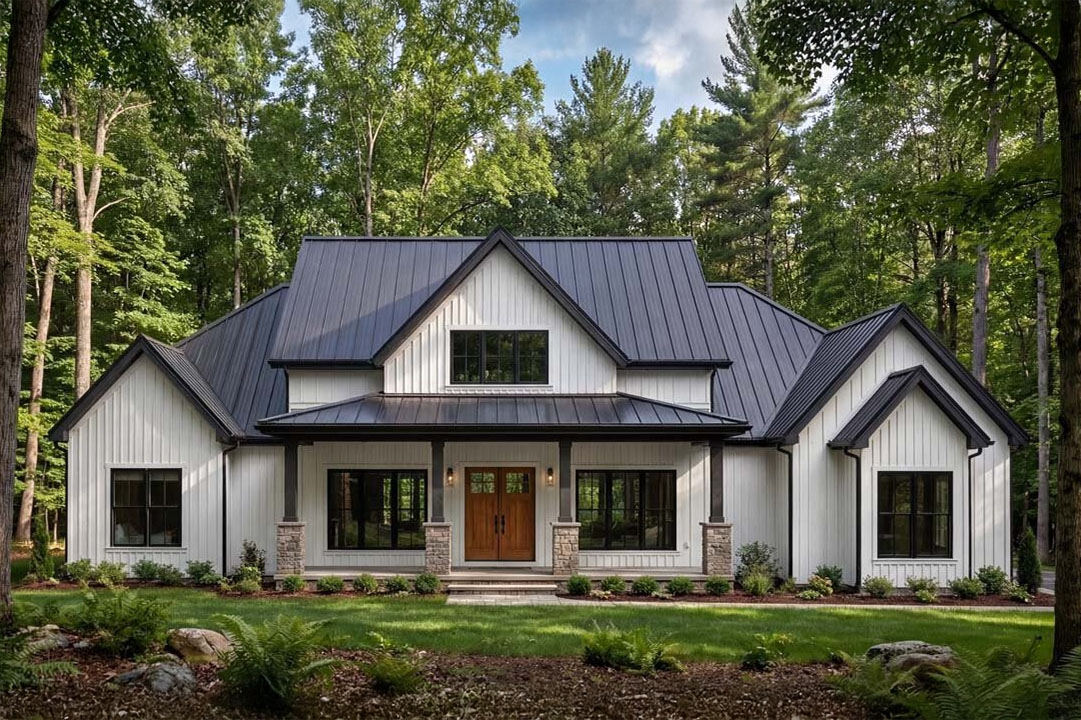
- Modern Farmhouse—Refined and Regional
The modern farmhouse remains a favorite, but in 2026 it takes on a more polished, regionally inspired look. Expect fewer decorative elements and more emphasis on authentic materials such as natural wood, stone, and brick. Rooflines are simpler, porches feel purposeful, and color palettes lean warmer and more natural. This evolution makes modern farmhouse designs feel less trendy and more enduring, appealing to homeowners seeking long-term value and classic curb appeal.
- Contemporary Craftsman
Craftsman homes continue to resonate, especially as buyers gravitate toward architecture that feels grounded and welcoming. In 2026, Craftsman styling becomes slightly more contemporary, featuring cleaner lines, larger windows, and lighter exterior finishes while retaining hallmark details like tapered columns, exposed beams, and deep front porches. This updated approach bridges traditional charm with modern livability.
- Soft Modern (Warm Contemporary)
Sleek modern homes are softening. Rather than stark minimalism, 2026 modern designs emphasize warmth and approachability. Flat or low-slope roofs, expansive glass, and strong horizontal lines remain, but they’re paired with textured materials and earth-toned exteriors. This “warm modern” style appeals to homeowners who want contemporary architecture without sacrificing comfort or character.
Top 3 Floor Plan Trends for 2026
1. Flexible, Multi-Use Spaces
The need for adaptable living areas continues to shape floor plan design. In 2026, bonus rooms, lofts, and flex spaces are intentionally designed to evolve over time, serving as home offices, guest rooms, hobby spaces, or secondary living areas. Buyers are prioritizing house plans that can adjust to life changes without requiring major renovations.
2. Enhanced Indoor-Outdoor Living
Seamless connections between indoor and outdoor spaces remain a top priority. Floor plans increasingly feature covered patios, outdoor kitchens, screened porches, and large sliding or folding doors that extend the living area outside. These designs support entertaining, relaxation, and everyday enjoyment while making homes feel larger and more connected to their surroundings.
3. Private Primary Suites and Zoned Living
Privacy and personal retreat space are key in 2026 floor plans. Primary suites are more intentionally separated from secondary bedrooms, often featuring spa-like bathrooms and generous walk-in closets. Zoned layouts, where sleeping, working, and living areas are clearly defined, help reduce noise and improve everyday comfort, especially for multi-generational households.
Trends in Home Size and Square Footage for 2026
Rather than pushing toward larger homes, 2026 emphasizes right-sized living, homes that make efficient use of every square foot. Popular home sizes are clustering within a few key ranges. For many buyers, 1,800 to 2,400 square feet hits the sweet spot, offering enough room for open living areas, a private primary suite, and flexible secondary spaces without excess maintenance or cost. Growing families and move-up buyers often gravitate toward 2,400 to 3,000 square feet, allowing for additional bedrooms, bonus rooms, or expanded outdoor living.
Larger homes (typically 3,000 to 3,500 square feet) remain desirable but are increasingly designed with clear purpose, minimizing unused formal spaces in favor of functional layouts. Across all size ranges, thoughtful planning, storage efficiency, and multi-use rooms allow homes to live larger than their actual footprint, supporting affordability, energy efficiency, and long-term livability.
Growing Demand for Accessory Structures
Accessory structures are becoming a central part of residential design in 2026. Detached garages with workshops or storage lofts, accessory dwelling units (ADUs) for guests, rental income, or multi-generational living, and barn-style outbuildings for hobbies or recreational use are all seeing increased interest. These structures provide homeowners with valuable flexibility, expanding usable space without enlarging the main home.
As zoning regulations evolve and lifestyle needs diversify, house plans that accommodate or integrate accessory structures are gaining traction. Buyers appreciate the ability to customize their property over time, whether by adding a garage apartment, studio space, or dedicated storage building.
Designing for Today—and Tomorrow
Home design trends for 2026 point clearly toward intentional living: refined architectural styles, flexible and efficient floor plans, thoughtfully sized homes, and versatile accessory structures. Together, these trends reflect a desire for homes that support real life, today and well into the future.
At The House Plan Company, our collection of thoughtfully designed house plans reflects these emerging preferences, helping homeowners build spaces that feel current, comfortable, and enduring. Whether you’re planning a primary residence, a vacation home, or a multi-generational retreat, the right plan sets the foundation for a home that truly works for you.
About The House Plan Company
Drawing on the nation’s best designers and architects, The House Plan Company offers pre-designed house, garage and accessory structure plans to homeowners and builders on an easy-to-navigate website. The House Plan Company brings clients closer to its team of award-winning design professionals and architects to work cooperatively on customizing or modifying a house or garage plan to suit their needs. The House Plan Company features a vast collection of house plans, garage plans and accessory building plans in many different architectural styles and sizes.