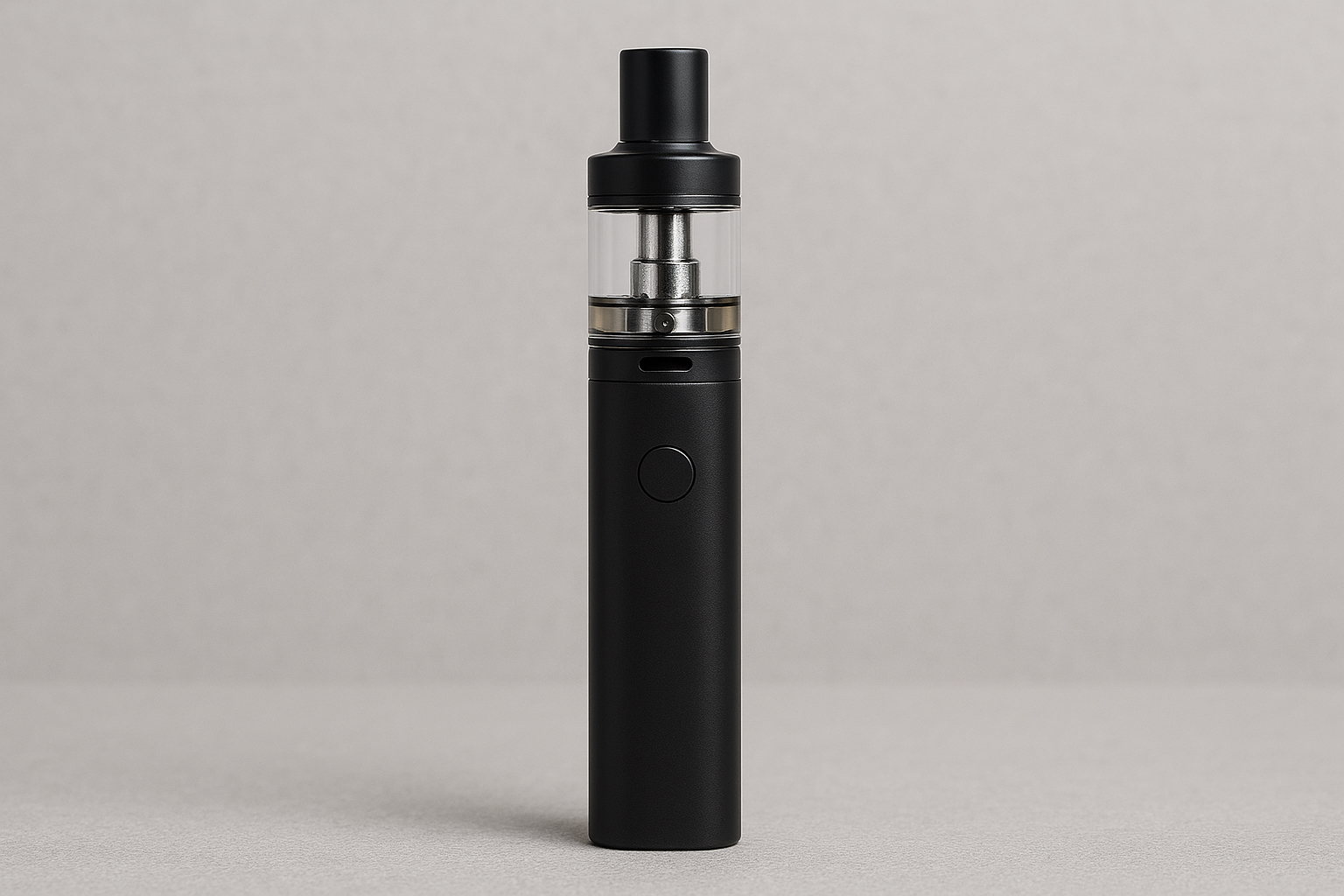
Tips from Intermountain Health to Prevent Teens from Vaping
Industry: Healthcare
How to talk in a non-shaming way with your child about the health effects of nicotine in its various forms
Salt Lake City, UT (PRUnderground) March 24th, 2026

Of teens who vape, 28 percent say they use e-cigarette products every day. Intermountain Children’s Health experts say parents can influence their children to not start vaping, or learn how to quit.
“Some kids may think e-cigarettes or little nicotine pouches are a safer alternative to smoking, but they are just as addictive,” said Karlee Kump, community health program manager for Intermountain Primary Children’s Hospital. “They contain toxic chemicals and sometimes marijuana, even if it’s not advertised on the packaging. This can affect brain development and cause other short- and long-term health problems.
Here Are Some Vaping-Prevention Tips:
Stay Connected
- Encourage your child to be the healthiest version of themselves.
- Talk to your teen about how advertising targets young people, and how to avoid falling prey to it.
- Expressing strong disapproval for vaping can discourage your teen from trying it. Have open conversations about values.
- If your teen vapes, talk with them in a non-shaming way about the health effects of nicotine and why they vape. You can learn more about how vaping impacts teens at seethroughthevape.org.
Stay Attentive
- Be familiar with the many kinds of vaping devices and products available.
- Although flavored products have recently been banned in multiple states, they are
- appealing to teens and might be acquired from other places. Be aware of sweet or
- unusual smells on your teen’s clothes or coming from their room.
- E-cigarettes can be purchased online by anyone, even though it’s illegal to sell tobacco
- products to anyone under age 21. Watch for small packages addressed to your teen or
- an increase in their spending.
- If your child has new health issues such as coughing or wheezing, unusual mood or
- behavior changes, or new lack of impulse control, it could be related to vaping. Ask your
- teen in a nonjudgmental way about vaping and if they do vape, connect them to
- quitting resources.
“Nicotine can mess with a teen’s brain while it’s still growing,” Kump said. “Quitting is possible, but the earlier kids start, the harder it is to quit. It’s important for all parents and adults in a child’s life to know that prevention is possible and help is available.”
If you need help quitting vaping or nicotine, visit MyLifeMyQuit.org for free resources.
About Intermountain Health
Headquartered in Utah with locations in six states and additional operations across the western U.S., Intermountain Health is a nonprofit system of 34 hospitals, approximately 400 clinics, medical groups with some 4,600 employed physicians and advanced care providers, a nonprofit health plan called Select Health with more than one million members, and other health services. Helping people live the healthiest lives possible, Intermountain is committed to improving community health and is widely recognized as a leader in transforming healthcare by using evidence-based best practices to consistently deliver high-quality outcomes at sustainable costs. For up-to-date information and announcements, please see the Intermountain Health newsroom at https://news.intermountainhealth.org/. For more information, see intermountainhealth.org/ or call 801-442-2000.