Grey Whale 2026 Industrial Filtration Outlook: Custom High-Performance Filter Bags Reshape Global Dust Collection Systems
Industry: Environment
As stricter emission regulations and high-temperature industrial operations expand worldwide, engineered filter bag customization becomes the new competitive standard in industrial dust collection systems.
Guangdong, China (PRUnderground) February 21st, 2026

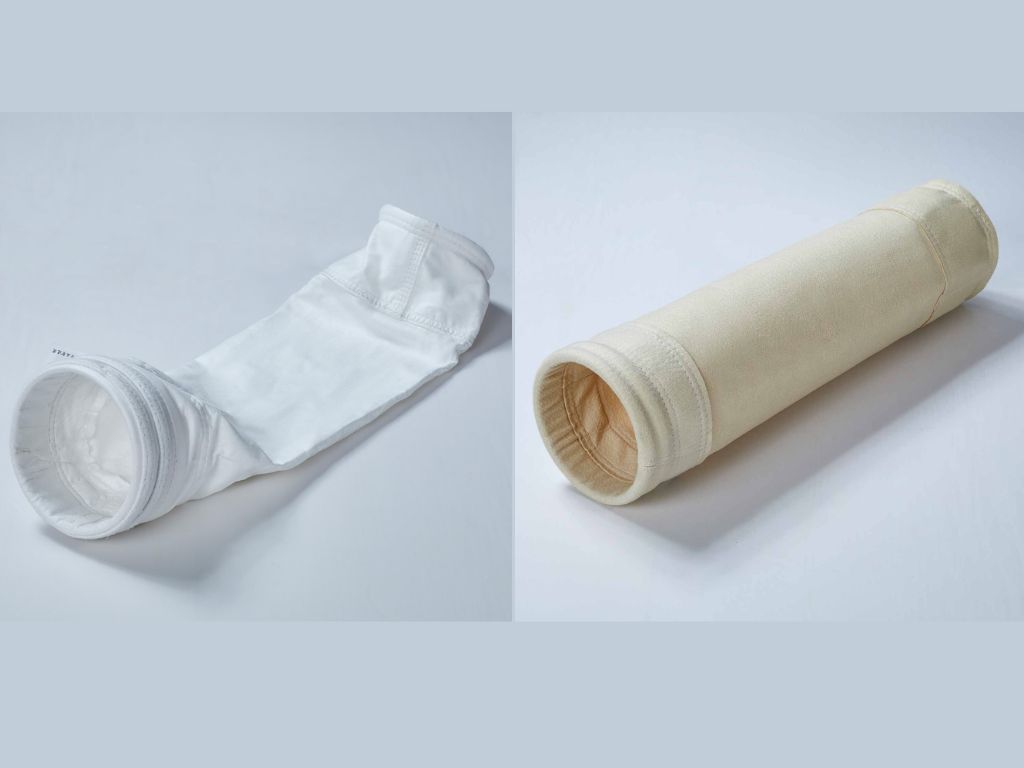
As global industrial production accelerates into 2026, the dust collection and industrial filtration sector is entering a new phase of transformation. Stricter environmental regulations, higher emission standards, and increasingly complex operating conditions are driving manufacturers to rethink traditional filtration solutions. In this evolving landscape, customized high-performance dust collector filter bags are emerging as a critical component of modern industrial air pollution control systems.
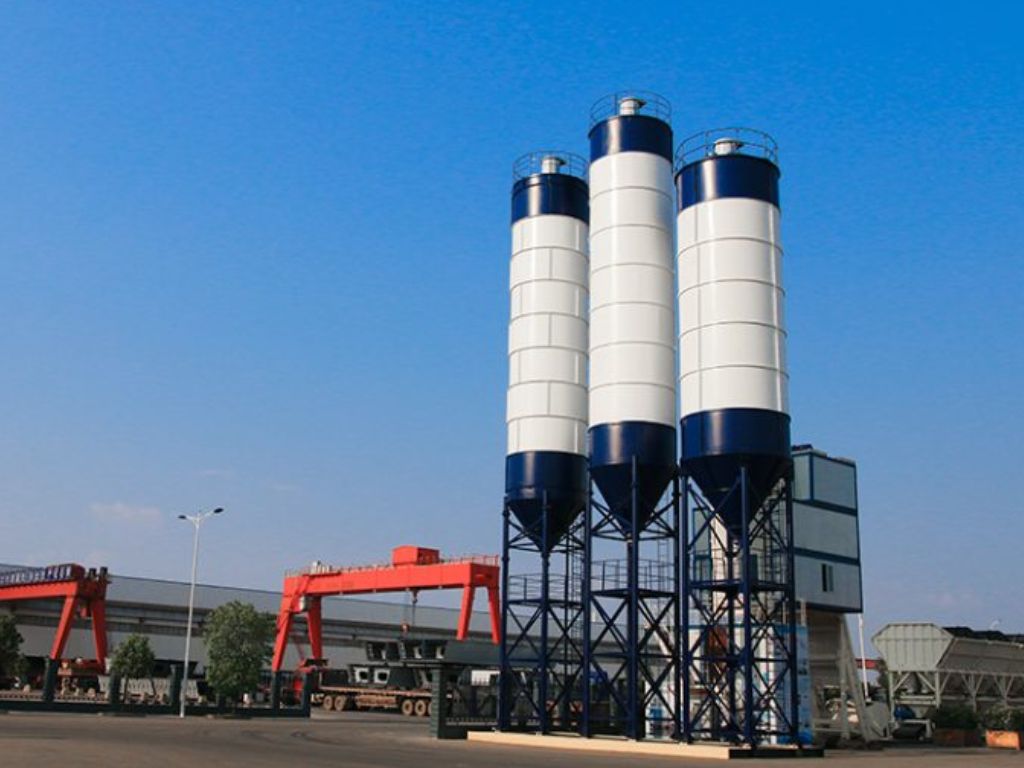
Across industries such as cement, metallurgy, waste incineration, chemical processing, and power generation, operational environments are becoming more demanding. Higher flue gas temperatures, corrosive chemical exposure, fine particulate emissions, and continuous production cycles are placing unprecedented stress on filtration systems. As a result, standardized, one-size-fits-all filter bags are gradually being replaced by engineered, application-specific solutions.
Customization Becomes the Industry Standard
One of the most significant shifts observed entering 2026 is the move from standard catalog products toward customized filter bag solutions. Industrial facilities are increasingly operating with diverse baghouse configurations—pulse-jet systems, reverse air collectors, shaker collectors, and OEM-specific equipment models—each requiring precise dimensional tolerances and structural specifications.
Customization now extends beyond simple sizing. Buyers are seeking tailored material selection, temperature resistance ratings, seam reinforcement technologies, surface treatments, and compatibility with specific dust collector brands. OEM replacement demand is also rising, as plant operators prioritize performance optimization without replacing entire filtration systems.
Industry analysts note that manufacturers capable of offering engineering-driven customization are gaining competitive advantages in international markets.
Rising Demand for High-Temperature and Chemical-Resistant Materials
Another defining trend shaping 2026 is the growing demand for high-temperature and chemically resistant filtration materials. Expansion in waste-to-energy facilities, steel production, and chemical processing plants has increased exposure to acidic gases, hydrogen fluoride compounds, and high-temperature flue streams.
Leading Bag Filter Manufacturers are expanding production of advanced materials such as PTFE needle felt, P84 polyimide fiber, PPS (Ryton), fiberglass composites, and specialized hydrogen fluoride-resistant filter media are seeing expanded adoption. These materials offer improved dimensional stability, acid resistance, oxidation resistance, and extended service life under extreme conditions.
Medium- and high-temperature filter material series are no longer niche products; they are becoming standard requirements in many industrial sectors. At the same time, hybrid constructions—such as PPS combined with PTFE membranes—are gaining traction for facilities seeking both durability and filtration efficiency.
Functional Surface Treatments Gain Strategic Importance
Beyond base material selection, multi-functional surface treatments are becoming central to filtration performance strategies. Anti-static properties are increasingly required in facilities handling explosive dust environments. Water-repellent and oil-proof treatments are helping extend service life in humid or oily particulate conditions. Membrane lamination technologies are improving fine particle capture efficiency while reducing pressure drop.
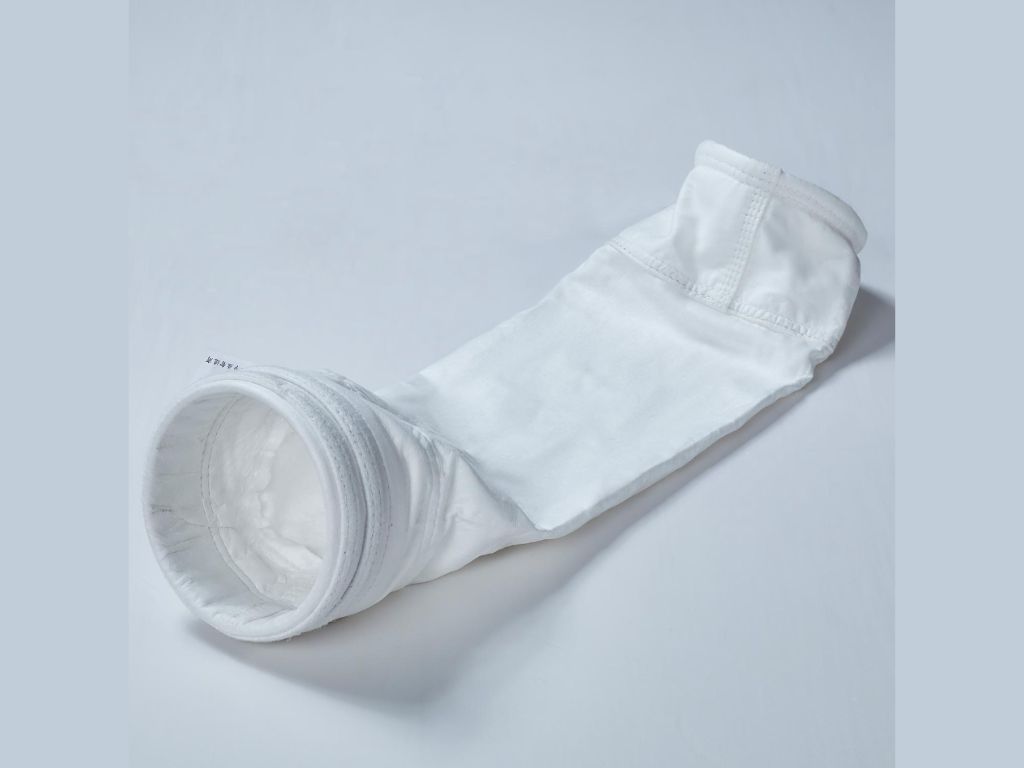
Manufacturers that integrate structural reinforcement methods—such as three-needle seam stitching or welded seams—are also addressing durability concerns related to pulse cleaning cycles and mechanical wear.
These performance enhancements contribute not only to regulatory compliance but also to operational efficiency, reducing downtime and lowering long-term replacement costs.
Sustainability and Lifecycle Optimization
Sustainability continues to influence purchasing decisions in 2026. Industrial operators are seeking longer service intervals, lower energy consumption, and reduced material waste. Filter bags that maintain stable filtration performance while extending replacement cycles are viewed as key contributors to cost control and environmental responsibility.
Lifecycle optimization—rather than lowest upfront price—is increasingly guiding procurement strategies. This shift favors manufacturers capable of delivering engineered solutions tailored to specific plant conditions.
Grey Whale Strengthens Position in Customized Filtration Solutions
Against this industry backdrop, Grey Whale has positioned itself as a manufacturer focused on engineered and customized dust collector filter bag solutions for global industrial applications.
The company offers a comprehensive portfolio of filter materials, including PTFE needle filter bags, P84 needle filter bags, PPS needle punched filter bags, fiberglass needled filter bags, Nomex (aramid) filter bags, acrylic and custom polyester felt filter bag series, as well as hydrogen fluoride-resistant filter material series designed for chemically aggressive environments.
Grey Whale’s medium-temperature and high-temperature filter material series are engineered for demanding operating conditions commonly found in cement kilns, power plants, and metallurgical facilities. For specialized requirements, anti-static polyester needle filter bags, blended anti-static constructions, water-repellent and oil-proof treatments, and composite membrane solutions are available.
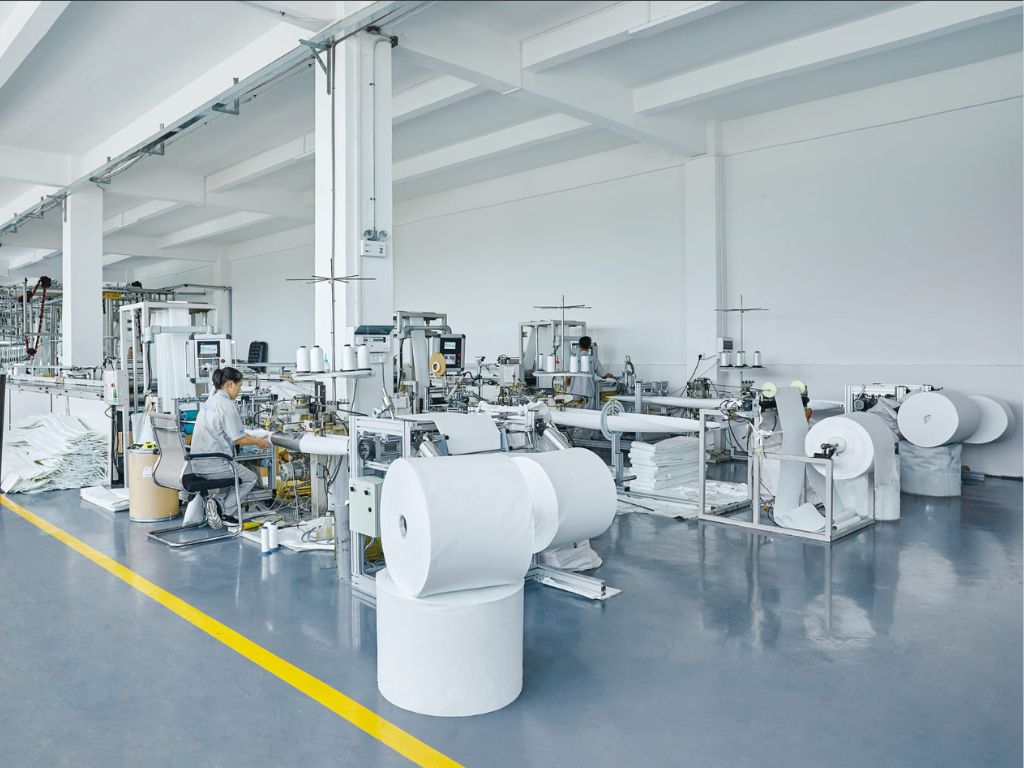
Customization capabilities extend to dimensional design, top and bottom configurations, seam reinforcement methods, surface finishing treatments, and compatibility with various OEM dust collector systems. Three-needle stitching technology and reinforced seam construction are incorporated to enhance structural integrity under pulse-jet cleaning conditions.
By combining material science with application-specific engineering, Grey Whale supports industrial clients seeking optimized filtration performance rather than standard replacement components.
Looking Ahead: 2026 and Beyond
As global industrial output continues to expand and environmental oversight intensifies, the filtration industry is expected to further evolve toward precision engineering and smart lifecycle management. Advanced monitoring technologies, data-driven maintenance strategies, and material innovation will likely define the next phase of dust collection system development.
In this environment, manufacturers capable of delivering high-temperature resistance, chemical durability, functional surface treatments, and fully customized fabrication are positioned to play a central role in shaping sustainable industrial air control solutions.
The shift is clear: filtration is no longer a passive component of industrial systems—it is a strategic performance factor. As 2026 unfolds, customized high-performance filter bags are set to become a cornerstone of modern industrial emission control worldwide.