Groundbreaking Cancer Treatment Program for Advanced Melanoma Skin Cancer at Intermountain Health
Industry: Healthcare
A new groundbreaking cancer treatment program is now available for patients with advanced melanoma skin cancer patients at Intermountain Health
Salt Lake City, UT (PRUnderground) May 1st, 2026

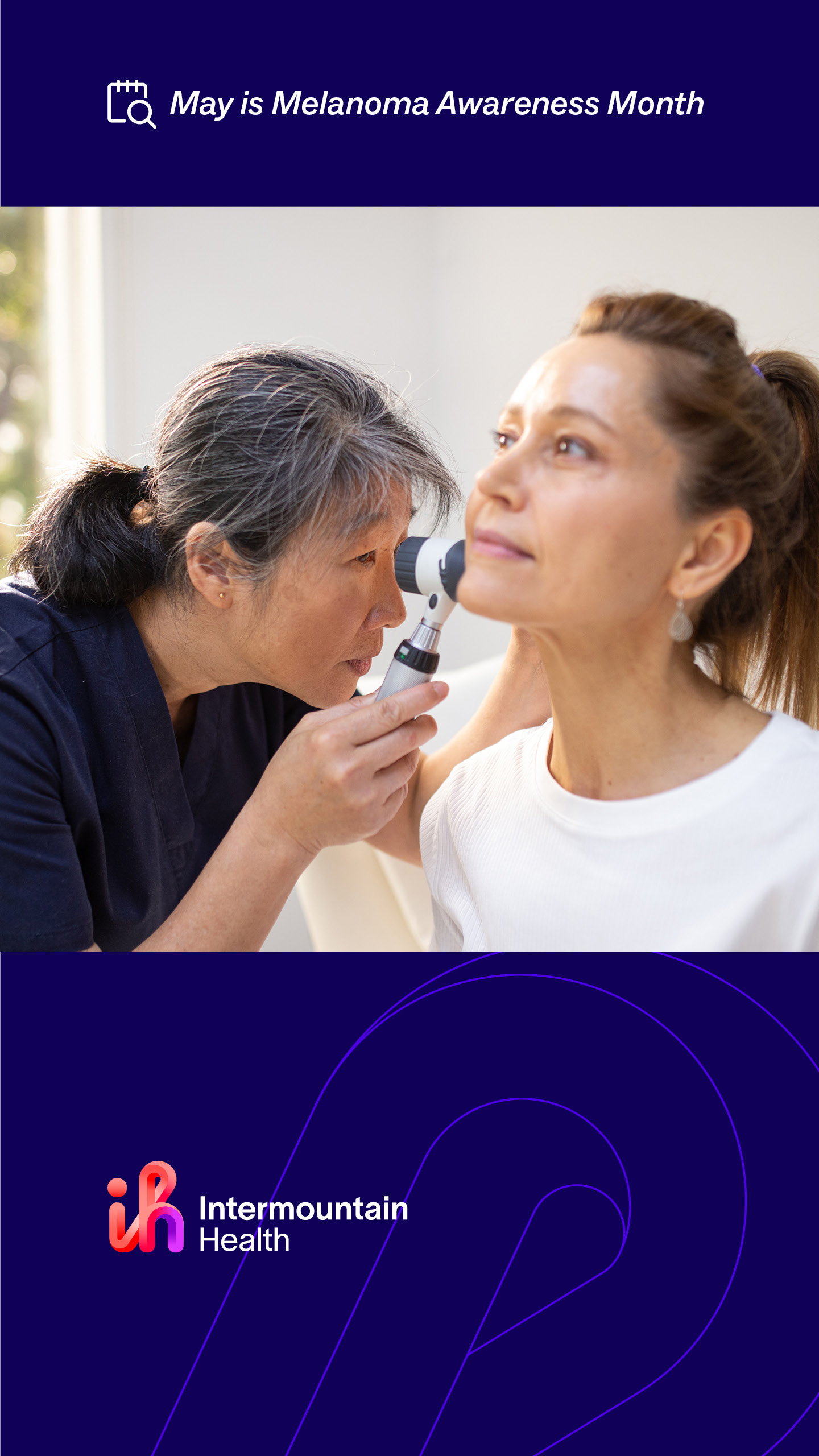
May is Melanoma Awareness Month, a time to be aware individuals need to protect their skin.
Intermountain Health is also excited to unveil a new treatment program for Utahns with advanced melanoma cancer – the first-time local patients have been treated with this advanced technology and new therapy in the Beehive State.
Thanks to this new cutting-edge personalized cancer treatment program, Utahns who have advanced melanoma cancer no longer must leave the state to get a groundbreaking new treatment that is showing promise for patients with the deadliest type of skin cancer.
Intermountain Health has launched a new program to provide tumor-infiltrating lymphocyte (TIL) therapy to treat patients with a type of skin cancer called unresectable or metastatic melanoma that cannot be removed surgically or has spread to other parts of the body. It is the first time this therapy has been used to treat patients in Utah.
This novel therapy works by using special immune cells, called lymphocytes, which are taken from the tumor itself. These cells are then multiplied in a lab and put back into the patient’s body to help fight the cancer.
As part of the treatment process, doctors use AMTAGVI, the first and only FDA-approved prescription medication for the treatment of advanced melanoma that has not responded to standard therapies.
AMTAGVI activates the patient’s own immune system to target and destroy cancer cells and represents a different approach compared to other immunotherapies. Instead of broadly stimulating the immune system, it harnesses a patient’s own tumor-specific T cells to directly target and destroy cancer cells.
Intermountain Health cancer experts say the groundbreaking treatment marks a significant advancement in the fight against advanced melanoma, offering a new option for patients with limited treatment alternatives.
“We’re excited to offer this advanced therapy and the hope it provides for improved outcomes for patients who have not responded to standard therapies,” said Tawnya Bowles, MD, a surgical oncologist at Intermountain Health. “The promise for patients is that this treatment will work against their advanced melanoma when other treatments have failed. These patients do not have as many treatment options once their tumor has progressed on standard treatments. This therapy offers new hope for these patients.”
TIL therapy has been used for decades, but AMTAGVI allows the treatment to extend beyond select treatment centers by using a protocol that lets a patient’s tumor T cells grow at centralized facilities in the United States. Previously, only limited academic facilities with lab facilities could grow and expand the T cells.
For Utahns, having the therapy program available locally is a major advancement. Not only does Utah have the highest incidence of melanoma in the nation, but until now, Utahns needing TIL therapy had to travel out of state for their care.
“Each year we see Utah patients who need this next step of treatment for advanced melanoma, and these patients previously had to leave the state and incur the expense of travel and the increased stress of being away from home,” said Caroline Nebhan, MD, PhD, Intermountain Health medical oncologist. “We’re thrilled to be able to offer this advanced treatment close to home with our Intermountain Health oncology team.”
Patients in the new Intermountain treatment program are supported by a multi-disciplinary team of clinicians, including oncology experts and patient navigators, who work closely with patients throughout their treatment.
The therapy involves surgically removing a sample of the patient’s tumor, from which tumor-infiltrating lymphocytes (TILs) are extracted. These TILs, which are immune cells capable of recognizing and attacking cancer cells, are then sent to a specialized manufacturing facility where they are expanded and multiplied into billions of cells.
Once the manufacturing process is complete (approximately 34 days), the patient undergoes a short course of lymphodepleting chemotherapy to prepare their body for the infusion of the expanded TILs.
Following the AMTAGVI infusion, patients may receive several doses of interleukin-2 (IL-2) to further stimulate the activity and growth of the infused T cells. Patients are cared for in the hospital for a period to monitor for potential side effects.
Research results of the medication were promising. Clinical trial data supporting FDA approval of AMTAGVI demonstrated promising response rates and, in many cases, prolonged outcomes in patients with advanced melanoma, suggesting the potential for long-term control of the disease.
“We’re committed to providing our patients with access to the most advanced and innovative cancer treatments,” said Dr. Bowles. “The addition of AMTAGVI to our comprehensive oncology program underscores this commitment and offers new hope for patients battling advanced melanoma.”
Here are 10 skin facts that you should know:
1) Anyone can get skin cancer, regardless of race or skin color. If you have a darker skin tone, you’ll have more pigment that helps protect your skin, but you’re not immune from developing skin cancer as a result of ultraviolet (UV) damage.
2) Most skin cancer is a result of exposure from ultraviolet (UV) radiation. Sunlight is the main source of UV rays, but tanning beds and sun lamps are also a source. Skin cancer starts when the UV rays damage the DNA of skin cells.
3) Ultraviolet exposure is strongest between 10 a.m. and 3 p.m. Seeking shade in those hours or if your shadow appears shorter than you are is advised. Even if it’s cloudy, you’ll want to be cautious. Up to 80 percent of the sun’s ultraviolet rays can pass through the clouds.
4) Use a broad-spectrum, water-resistant sunscreen that’s at least SPF 30. This helps protect you from both ultraviolet A (UVA) and ultraviolet B (UVB) rays. Reapply approximately every two hours, even on cloudy days, and especially after swimming or sweating. Use sunscreen daily, even if you’ll be in the shade.
5) Not all shade is equally protective from the sun. You can be in the shade and still be exposed to the sun’s ultraviolet rays, particularly the UVB rays — these are considered the most harmful part of sunlight, as they can reach the skin indirectly and bounce back from surfaces like sand or concrete.
6) Some medications can cause sun sensitivity. Some medication can cause your skin to be more susceptible to UV rays. There are even over-the-counter medications that can cause sun sensitivity, such as nonsteroidal anti-inflammatory medications.
7) Intense athletic training can affect your skin’s immune system. If you’re training for a marathon or any kind of strenuous, long-duration exercise, your immune system may be weakened. This could cause you to become more susceptible to some types of skin cancer, including melanoma. If you run outside, wear a ball cap and use sunscreen, including on your ears and back of neck.
8) If you like the look of a tan, try a self-tanner product or spray, along with sunscreen. Avoid tanning beds as they expose you to UV rays, not to mention cause wrinkles and premature aging. Studies have found that tanning beds increase the risk of melanoma, especially in women under 45.
9) While skin cancer can develop anywhere on the body, the face is a common area. Direct sun is most likely to hit the face, but any exposed area is susceptible, including the head, ears, lips, and neck, and anywhere the skin is exposed. Interestingly, due to the use of tanning beds, skin cancer on the torso is the most common place for women ages 15-29 to develop melanoma.
10) Know the warning signs of melanoma, which include changes in size, shape, or color of a mole or skin lesion, or the appearance of new growth on the skin. If you’ve had more than five sunburns over the course of a lifetime, your risk of melanoma doubles. So be vigilant about checking your skin and talk to your healthcare provider if you have concerns.
About Intermountain Health
Headquartered in Utah with locations in six states and additional operations across the western U.S., Intermountain Health is a nonprofit system of 34 hospitals, approximately 400 clinics, medical groups with some 4,600 employed physicians and advanced care providers, a nonprofit health plan called Select Health with more than one million members, and other health services. Helping people live the healthiest lives possible, Intermountain is committed to improving community health and is widely recognized as a leader in transforming healthcare by using evidence-based best practices to consistently deliver high-quality outcomes at sustainable costs. For up-to-date information and announcements, please see the Intermountain Health newsroom at https://news.intermountainhealth.org/. For more information, see intermountainhealth.org/ or call 801-442-2000.