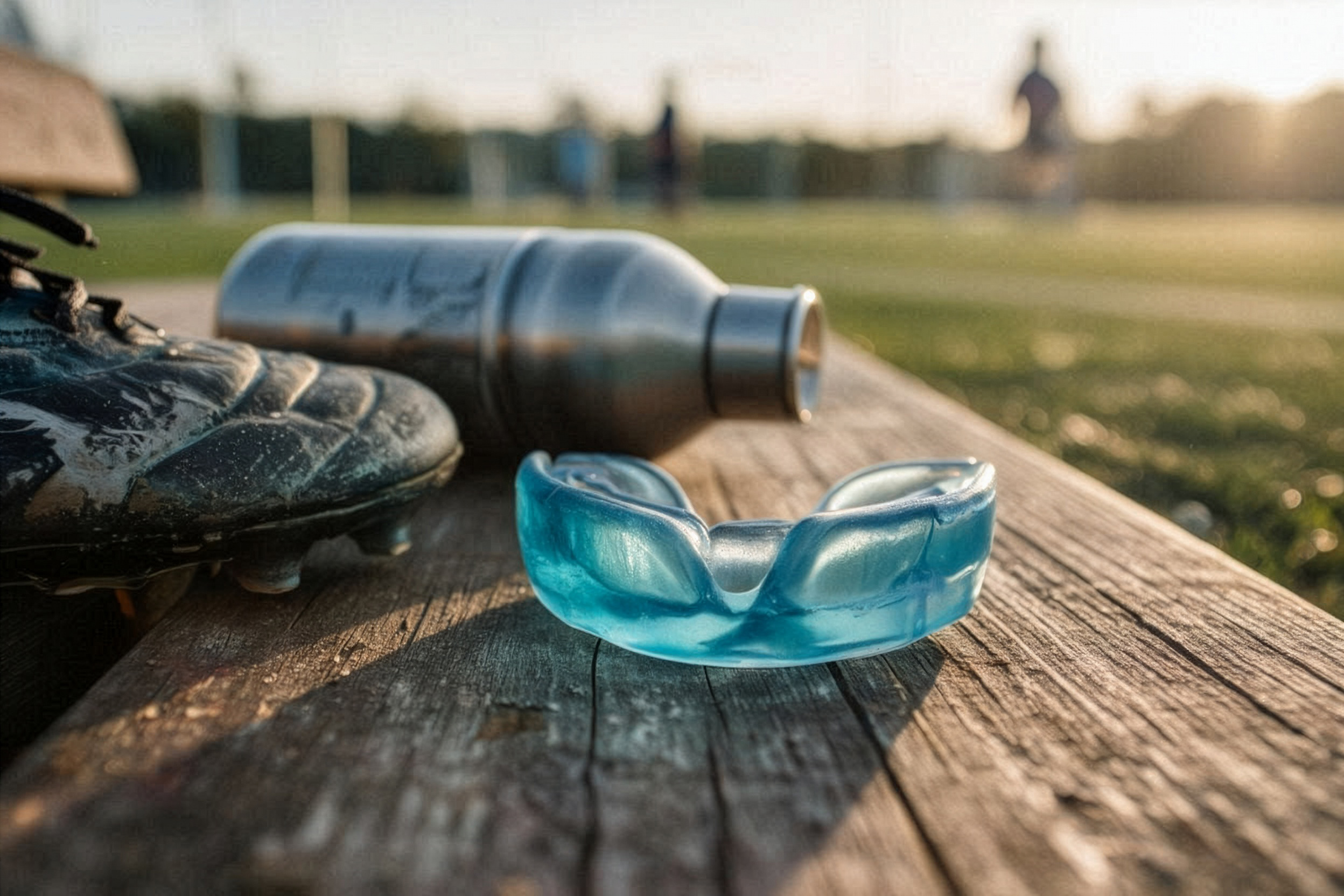
Intermountain Health Pediatric Dentist Encourages Use of Mouthguards in Sports
Industry: Healthcare
Dr. Hans Reinemer is the medical director of the pediatric dental residency program at Intermountain Primary Children’s Hospital.
Salt Lake City, UT (PRUnderground) May 12th, 2026

With the arrival of Spring, many children are returning to playing organized outdoor sports. Many sports require a helmet or other protective equipment like pads or shin guards. But there is another piece of protective equipment that is equally important, especially for high-impact sports – and that’s a mouthguard.
“Dental injuries can occur in any sport, but in younger children, baseball is a major source of dental injuries because of the speed and impact of a hard ball,” said Hans Reinemer, DMD, the medical director of the pediatric dental residency program at Intermountain Primary Children’s Hospital.
“As kids get older, basketball becomes one of the top contributors—mostly from elbows and player-to-player contact. Also, high-impact sports like hockey, lacrosse, and field hockey see some of the highest rates of orofacial injuries, which is why many of the leagues for those sports mandate mouthguards,” he added.
Why mouthguards are an important way to protect your child’s teeth
A mouthguard acts like a shock absorber. It protects the teeth and jaw to some extent from the kinds of impacts that happen in everyday play—whether that’s a ball to the face, an elbow under the basket, or a fall on the field.
And because kids’ teeth and jaws are still developing, an injury at a young age can have lifelong consequences, especially if the situation involves permanent teeth. Baby teeth are replaceable, but permanent teeth require extensive time and expense to repair them.
Different types of mouthguards offer different levels of protection
According to Dr. Reinemer, not all mouthguards are alike and there are three basic types, and they offer different levels of protection.
- Stock mouthguards — These are inexpensive and ready to wear, but they don’t fit well and offer the least protection.
- Boil and bite mouthguards — These soften in hot water and mold to a child’s teeth. They’re more expensive but still affordable and offer good protection, which is why they’re the most common choice for youth athletes.
- Custom mouthguards — These are made by a dentist and provide the best fit and the highest level of protection. They’re more expensive, but they stay in place better and are often more comfortable, which means kids are more likely to wear them consistently.
Major dental associations recommend using a properly fitted mouthguard because it significantly reduces the incidence and severity of dental injuries.
According to dental experts, even non-contact sports can lead to facial injuries. A simple fall or accidental collision can also cause significant dental trauma.
“A mouthguard should be as routine as wearing a helmet or shin guards. It’s a small, affordable step that prevents some of the most common youth sports injuries,” said Dr. Reinemer.
“Kids who wear mouthguards consistently are far less likely to suffer dental trauma, and that means fewer emergency room visits, fewer long-term dental procedures, and more time playing the sports they love,” he added.
Dr. Reinemer recommends you check your own first aid kit and check to see if your coach or team has a first aid kit and suggests they include items that can help a child with dental injuries.
Items to include in a dental first aid kit
- Gauze pads for applying pressure to control bleeding
- Disposable medical gloves
- Saline solution for rinsing
- A small, clean storage container designed to store a tooth that was knocked out. Putting the tooth in milk is a great option!
He also reminded parents that it’s important that you contact your child’s dentist immediately about a dental injury so they can begin treatment as soon as possible, since the prognosis depends heavily in some cases on timeliness.
For more information about the children’s health services available through Intermountain Primary Children’s Hospital, visit intermountainhealth.org/childrens-health
About Intermountain Health
Headquartered in Utah with locations in six states and additional operations across the western U.S., Intermountain Health is a nonprofit system of 34 hospitals, approximately 400 clinics, medical groups with some 4,600 employed physicians and advanced care providers, a nonprofit health plan called Select Health with more than one million members, and other health services. Helping people live the healthiest lives possible, Intermountain is committed to improving community health and is widely recognized as a leader in transforming healthcare by using evidence-based best practices to consistently deliver high-quality outcomes at sustainable costs. For up-to-date information and announcements, please see the Intermountain Health newsroom at https://news.intermountainhealth.org/. For more information, see intermountainhealth.org/ or call 801-442-2000.